
Complete Skincare Routine for Acne-Prone Skin
Acne is one of the most common skin conditions affecting teenagers and adults worldwide. It develops when excess oil, dead skin cells, and bacteria clog the pores, leading to pimples, blackheads, whiteheads, cysts, and inflammation. Acne not only affects physical appearance but can also impact confidence and emotional well-being.
Understanding acne and its treatment is essential for building an effective skincare routine. From salicylic acid and niacinamide to retinol and benzoyl peroxide, modern skincare offers multiple solutions to reduce breakouts and improve skin texture. With the right skincare habits, healthy lifestyle, and dermatologist-approved treatments, achieving clearer skin becomes much easier.
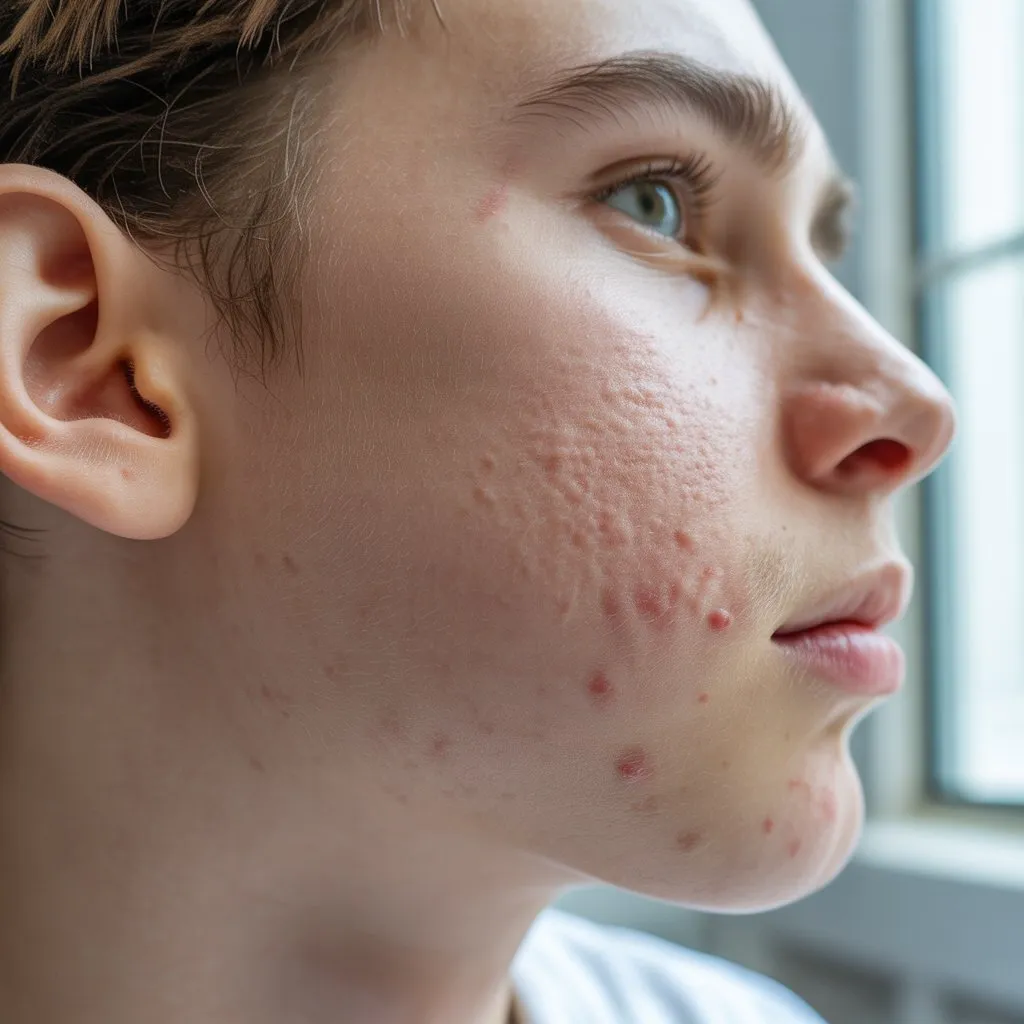
What Is Acne and Why Does It Happen?
Acne is a chronic inflammatory skin condition that commonly appears on the face, forehead, chest, shoulders, and back. It occurs when hair follicles become clogged with oil (sebum), dirt, bacteria, and dead skin cells. Hormonal changes during puberty, stress, poor skincare habits, and genetics are among the leading causes of acne breakouts.
Sebaceous glands beneath the skin produce oil to keep the skin hydrated. However, excessive oil production can trap bacteria such as Cutibacterium acnes, leading to redness, swelling, and painful pimples. Environmental pollution, unhealthy diet, and using harsh skincare products can also worsen acne symptoms.
Acne can range from mild blackheads and whiteheads to severe cystic acne that may leave scars and pigmentation. Early treatment and a consistent skincare routine help prevent long-term skin damage and improve overall skin health.
Different Types of Acne You Should Know
There are several different types of acne, and identifying the correct type is important for choosing the best treatment. Whiteheads and blackheads are considered non-inflammatory acne, while papules, pustules, nodules, and cysts are inflammatory forms of acne that require more targeted care.
Hormonal acne commonly affects adults and often appears around the jawline and chin. It is usually linked to hormonal fluctuations, stress, and increased oil production. Cystic acne is one of the most severe forms and can cause deep, painful breakouts beneath the skin surface.
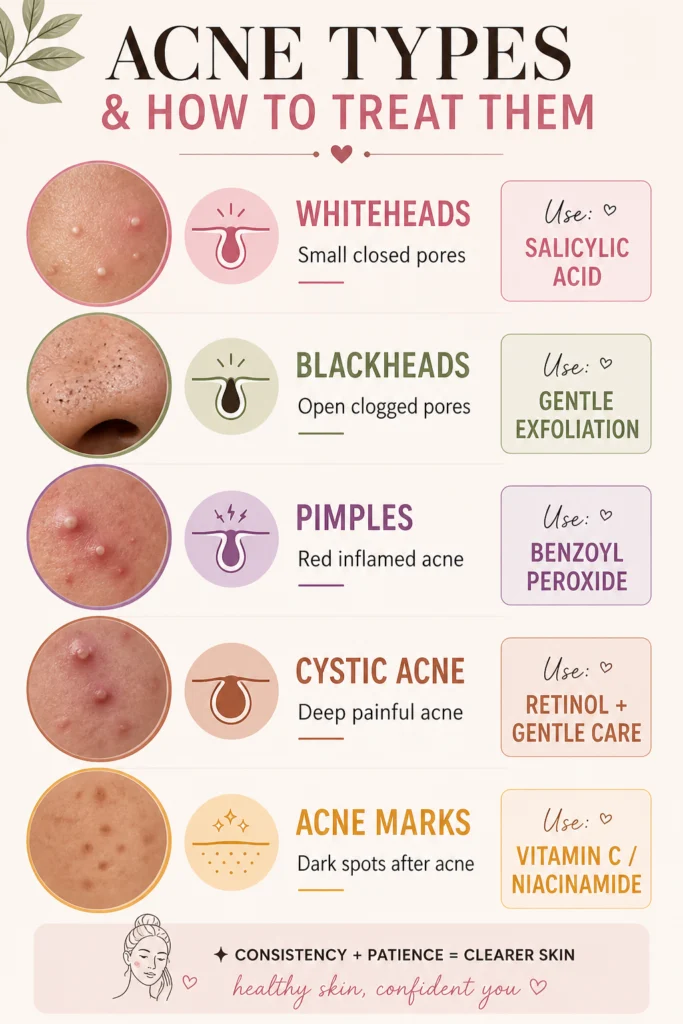
Fungal acne, acne mechanica, and acne caused by skincare products are also becoming increasingly common. Understanding your acne type helps you choose the right ingredients such as retinol, salicylic acid, hyaluronic acid, or benzoyl peroxide for effective treatment.
Best Acne Treatment Options for Clear Skin
Modern acne treatments focus on reducing inflammation, controlling oil production, unclogging pores, and preventing future breakouts. Over-the-counter skincare ingredients such as salicylic acid and benzoyl peroxide are highly effective for treating mild to moderate acne.
Salicylic acid penetrates deep into the pores to remove excess oil and dead skin cells, while benzoyl peroxide targets acne-causing bacteria. Niacinamide is another powerful ingredient that helps calm redness, reduce oiliness, and strengthen the skin barrier.
For severe acne, dermatologists may recommend prescription retinoids, antibiotics, hormonal therapy, or professional treatments such as chemical peels and laser therapy. Consistency is the key to successful acne treatment, as results usually take several weeks to become visible.
Best Skincare Routine for Acne-Prone Skin
A proper skincare routine for acne-prone skin should focus on cleansing, hydration, treatment, and sun protection. Using gentle and non-comedogenic products helps maintain the skin barrier while preventing clogged pores and irritation.
In the morning, start with a gentle cleanser containing salicylic acid or tea tree oil to remove excess oil and impurities. Follow with a lightweight moisturizer containing hyaluronic acid or ceramides to keep the skin hydrated. Sunscreen with SPF 30 or higher is essential because UV rays can worsen acne scars and hyperpigmentation.
At night, double cleansing helps remove makeup, sunscreen, and dirt buildup. Applying a retinol serum or acne treatment cream overnight can help reduce pimples, improve skin texture, and fade acne scars over time.
Whiteheads and Blackheads
Whiteheads and blackheads are non-inflammatory types of acne caused by clogged pores. Whiteheads occur when pores remain closed beneath the skin surface, while blackheads form when pores stay open and oxidize due to air exposure. Excess oil production, dead skin cells, and dirt buildup are the primary causes of these breakouts.
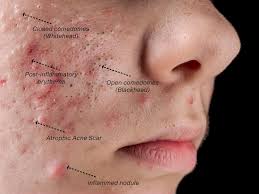
People with oily or combination skin are more likely to experience blackheads around the nose, chin, and forehead area. Using salicylic acid cleansers, gentle exfoliants, and non-comedogenic skincare products can help unclog pores and reduce these mild acne forms.
Consistent cleansing and avoiding heavy pore-clogging products are essential for preventing whiteheads and blackheads from becoming inflamed acne.
Best Treatment for Whiteheads and Blackheads
Dermatologists often recommend salicylic acid, niacinamide, and retinoids for treating clogged pores and reducing excess oil production. Salicylic acid deeply penetrates the skin and removes dead skin cells, making it highly effective for blackheads and whiteheads.
Double cleansing at night helps remove makeup, sunscreen, and impurities that accumulate throughout the day. Clay masks and chemical exfoliants can also help refine pores and improve skin texture over time.
Avoid squeezing blackheads or whiteheads because this can damage the skin barrier and lead to acne scars or enlarged pores.
Papules and Pustules
Papules and pustules are inflammatory acne lesions that develop when clogged pores become infected with bacteria. Papules appear as small red bumps without pus, while pustules contain white or yellow pus at the center due to inflammation.
These breakouts are commonly linked to hormonal fluctuations, stress, and excessive oil production. Harsh skincare products and over-exfoliation may further irritate the skin and worsen inflammatory acne conditions.
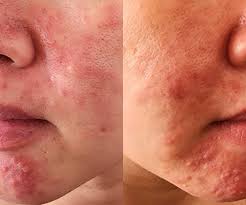
Using gentle cleansers and anti-inflammatory ingredients such as benzoyl peroxide and niacinamide can help calm redness and reduce active acne breakouts effectively.
How to Reduce Papules and Pustules
Applying benzoyl peroxide treatments can help eliminate acne-causing bacteria and reduce swelling. Lightweight moisturizers with ceramides and hyaluronic acid help maintain the skin barrier while preventing dryness caused by acne medications.
Cold compresses and soothing ingredients like aloe vera may reduce irritation and redness associated with inflamed acne. It is also important to avoid touching or popping pimples because this increases the risk of acne scars and skin pigmentation.
A balanced skincare routine with consistent treatment usually improves papules and pustules within a few weeks.
Nodules and Cystic Acne
Nodules and cystic acne are among the most severe forms of acne and often develop deep beneath the skin surface. These painful breakouts occur due to severe inflammation and bacterial infection inside clogged pores. Cystic acne may lead to permanent acne scars and uneven skin texture if not treated early.
Hormonal imbalance, genetics, stress, and excessive sebum production are major causes of cystic acne. This condition is more common during puberty, menstruation, and periods of high stress.
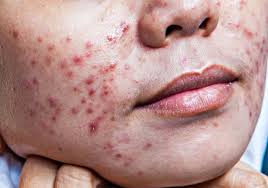
Unlike mild acne, cystic acne usually requires dermatologist-approved treatments rather than simple over-the-counter skincare products.
Best Treatments for Cystic Acne
Dermatologists may prescribe oral antibiotics, retinoids, hormonal medications, or professional treatments for severe cystic acne. Ingredients such as adapalene and benzoyl peroxide can help reduce inflammation and control bacteria growth.
Maintaining a gentle skincare routine is extremely important because harsh scrubs and excessive exfoliation can worsen cystic acne symptoms. Professional treatments like chemical peels and laser therapy may also improve acne scars and skin texture.
People with painful or persistent cystic acne should seek medical advice to prevent long-term skin damage.
Hormonal Acne and Adult Acne
Hormonal acne commonly affects teenagers and adults due to fluctuations in hormones such as androgen levels. It usually appears around the jawline, cheeks, chin, and neck area. Stress, menstrual cycles, lack of sleep, and hormonal disorders may trigger these breakouts.
Adult acne has become increasingly common due to lifestyle changes, pollution, and stress-related skin inflammation. Hormonal acne often appears as painful cysts and recurring pimples that are difficult to control with ordinary skincare products.
A proper skincare routine combined with healthy lifestyle habits can significantly improve hormonal acne symptoms.
Skincare Routine for Hormonal Acne
Using gentle cleansers, oil-free moisturizers, and targeted acne treatments can help manage hormonal breakouts. Ingredients such as niacinamide, salicylic acid, and retinol are highly effective for reducing oiliness and preventing clogged pores.
Maintaining a healthy diet, reducing stress levels, and drinking enough water also contribute to better skin health. Dermatologists may sometimes recommend hormonal treatments or prescription medications for persistent hormonal acne.
Consistency and patience are essential because hormonal acne treatment often takes several weeks before visible improvements appear.