Selfcare and Wellness: A Complete Guide to a Healthier You
Selfcare and wellness are no longer luxuries—they are essential practices for maintaining a balanced, productive, and fulfilling life. In today’s fast-paced world, stress, burnout, and unhealthy habits have become common. That’s why understanding and applying selfcare and wellness strategies is more important than ever.
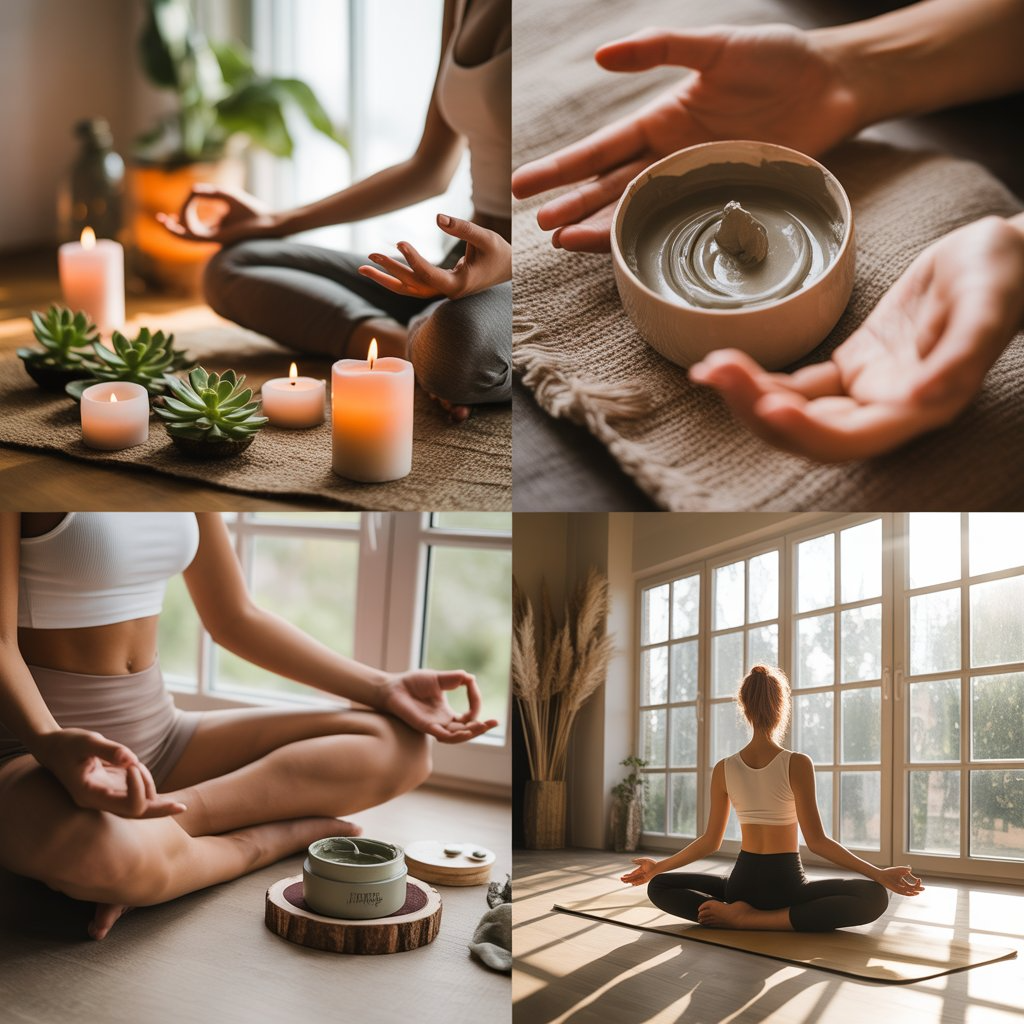
This guide will help you understand what selfcare truly means, why wellness matters, and how you can build sustainable habits that improve your overall quality of life.
What is Selfcare and Wellness?
Selfcare refers to the intentional actions you take to care for your physical, mental, and emotional health. Wellness, on the other hand, is a broader concept that includes overall well-being and a balanced lifestyle.
The Difference Between Selfcare and Wellness
- Selfcare is action-based (e.g., exercise, relaxation, journaling)
- Wellness is the result (a healthy and balanced state of being)
Why Both Matter Together
Selfcare without wellness goals lacks direction, while wellness without selfcare lacks action. When combined, they create a sustainable lifestyle that supports long-term health.
The Importance of Selfcare and Wellness in Modern Life
In an era dominated by digital overload and constant connectivity, neglecting your well-being can lead to serious consequences.
Physical Health Benefits
Regular selfcare practices like exercise, hydration, and sleep:
- Boost energy levels
- Strengthen the immune system
- Reduce risk of chronic diseases
Mental Health Benefits
Prioritizing mental wellness helps:
- Reduce stress and anxiety
- Improve focus and productivity
- Enhance emotional stability
Emotional and Social Benefits
Healthy selfcare habits improve:
- Relationships
- Self-confidence
- Overall life satisfaction
Key Dimensions of Selfcare and Wellness
True wellness is multi-dimensional. Ignoring one area can affect the others.
Physical Wellness
Physical health is the foundation of overall wellness.
How to Improve Physical Wellness
- Exercise regularly (at least 30 minutes daily)
- Maintain a balanced diet
- Get 7–8 hours of sleep
- Stay hydrated

Mental Wellness
Mental clarity and emotional resilience are essential for navigating life challenges.
Tips for Better Mental Health
- Practice mindfulness and meditation
- Limit screen time
- Engage in hobbies you enjoy
- Seek professional help when needed
Emotional Wellness
Emotional wellness involves understanding and managing your feelings.
Ways to Strengthen Emotional Health
- Practice gratitude daily
- Express your feelings openly
- Avoid toxic relationships
- Build emotional awareness
Social Wellness
Humans are social beings, and meaningful connections are vital.
Improving Social Wellness
- Spend time with family and friends
- Join communities or groups
- Communicate openly and honestly
Spiritual Wellness
This doesn’t necessarily mean religion—it’s about purpose and inner peace.
Practices for Spiritual Growth
- Meditation or prayer
- Spending time in nature
- Reflecting on life goals and values

Daily Selfcare Routine for a Balanced Life
Creating a simple daily routine can significantly improve your wellness over time.
Morning Selfcare Routine
Start your day with intention:
- Wake up early
- Stretch or do light exercise
- Practice gratitude or journaling
- Eat a healthy breakfast
Midday Wellness Habits
Stay productive without burning out:
- Take short breaks
- Stay hydrated
- Avoid excessive caffeine
- Practice deep breathing
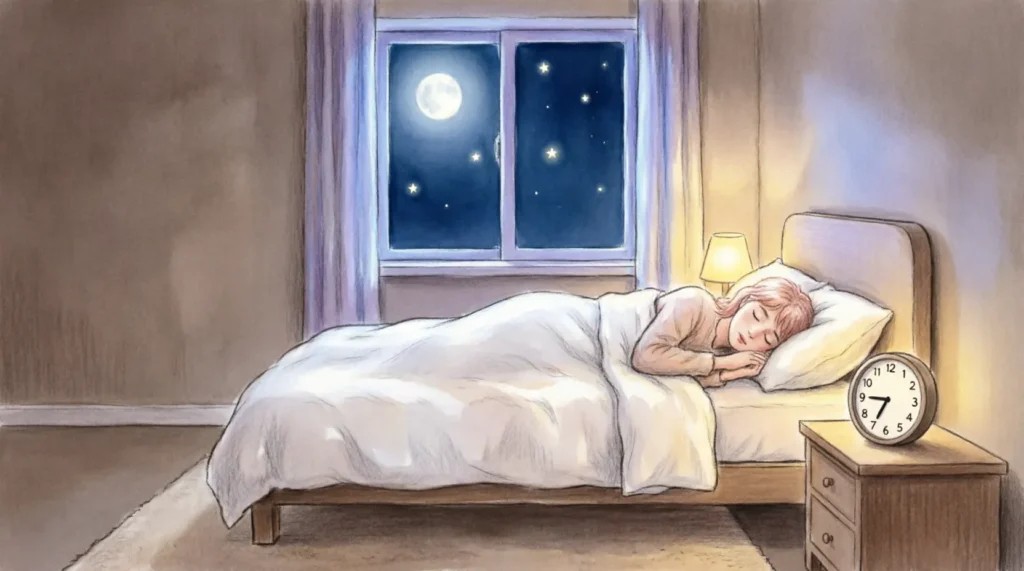
Evening Selfcare Routine
End your day with relaxation:
- Reduce screen time before bed
- Reflect on your day
- Practice mindfulness
- Get quality sleep
Common Mistakes in Selfcare and Wellness
Many people misunderstand selfcare, which leads to ineffective habits.
Treating Selfcare as a Luxury
Selfcare is not indulgence—it’s a necessity for survival and growth.
Inconsistency
Doing selfcare occasionally won’t bring results. Consistency is key.
Ignoring Mental Health
Focusing only on physical health while neglecting mental wellness creates imbalance.
Following Trends Blindly
Not every wellness trend works for everyone. Personalization is essential.
How to Build a Sustainable Selfcare Plan
Creating a plan ensures that your selfcare efforts are consistent and effective.
Step 1: Identify Your Needs
Understand what areas of your life need improvement.
Step 2: Set Realistic Goals
Avoid overwhelming yourself with too many changes at once.
Step 3: Create a Routine
Incorporate small habits into your daily schedule.
Step 4: Track Progress
Monitor your habits and adjust when needed.
Step 5: Stay Flexible
Life changes, and so should your selfcare plan.
The Role of Mindfulness in Wellness
Mindfulness is one of the most powerful tools for improving overall well-being.
What is Mindfulness?
Mindfulness is the practice of being fully present in the moment without judgment.
Benefits of Mindfulness
- Reduces stress
- Improves focus
- Enhances emotional control
Simple Mindfulness Techniques
- Deep breathing exercises
- Meditation
- Body scanning
- Mindful walking
Long-Term Benefits of Selfcare and Wellness
Investing in selfcare today leads to long-term rewards.
Improved Quality of Life
You feel more energized, focused, and fulfilled.
Better Productivity
Healthy individuals perform better in personal and professional life.
Stronger Relationships
Balanced individuals build healthier connections.
Increased Longevity
A healthy lifestyle can contribute to a longer, happier life.
Final Thoughts on Selfcare and Wellness
Selfcare and wellness are not one-time efforts—they are lifelong commitments. By focusing on small, consistent habits, you can create a balanced lifestyle that supports your physical, mental, and emotional well-being.
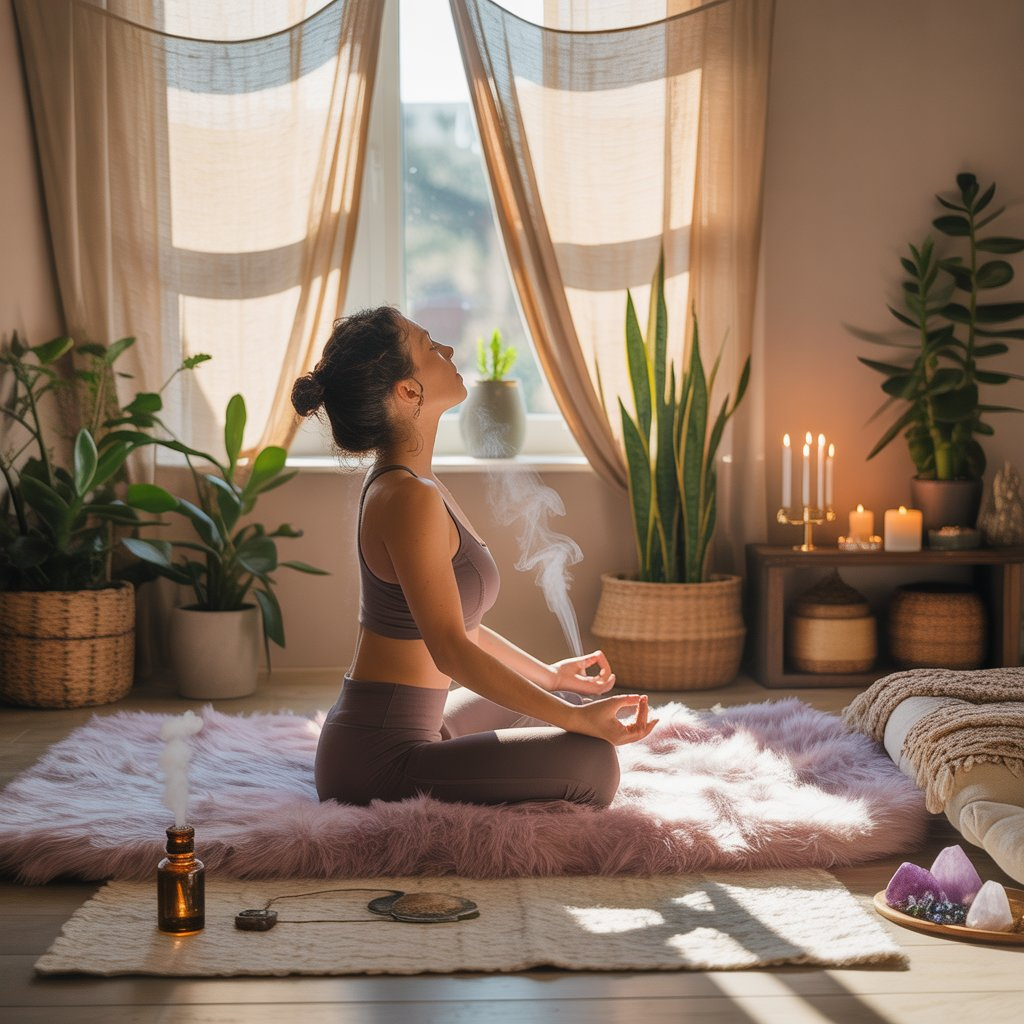
Start simple. Stay consistent. And remember, taking care of yourself is the first step toward achieving everything else in life.
Focus on Micro-Habits Instead of Big Changes
Instead of drastic lifestyle shifts, start with small actions:
Drink one extra glass of water daily
Take a 5-minute mindfulness break
Walk for 10–15 minutes
These micro-habits compound over time and build sustainable wellness.